How to Identify Genuine Italian Marble Slabs Versus Lookalike Imports for Home Interiors
Learn how to distinguish Italian marble from lookalike imports using touch, veining, and documentation checks before your next renovation.
Choosing the wrong marble can turn a dream renovation into a costly disappointment. Many homeowners are sold convincing fakes marketed as "Italian," only to discover later that they missed the subtle traits that set genuine stone apart. Knowing how to identify genuine Italian marble slabs versus lookalike imports protects both your budget and your vision for the space, whether you are working with a designer or sourcing directly for a home interior project.
What Makes Genuine Italian Marble Different From Lookalikes?
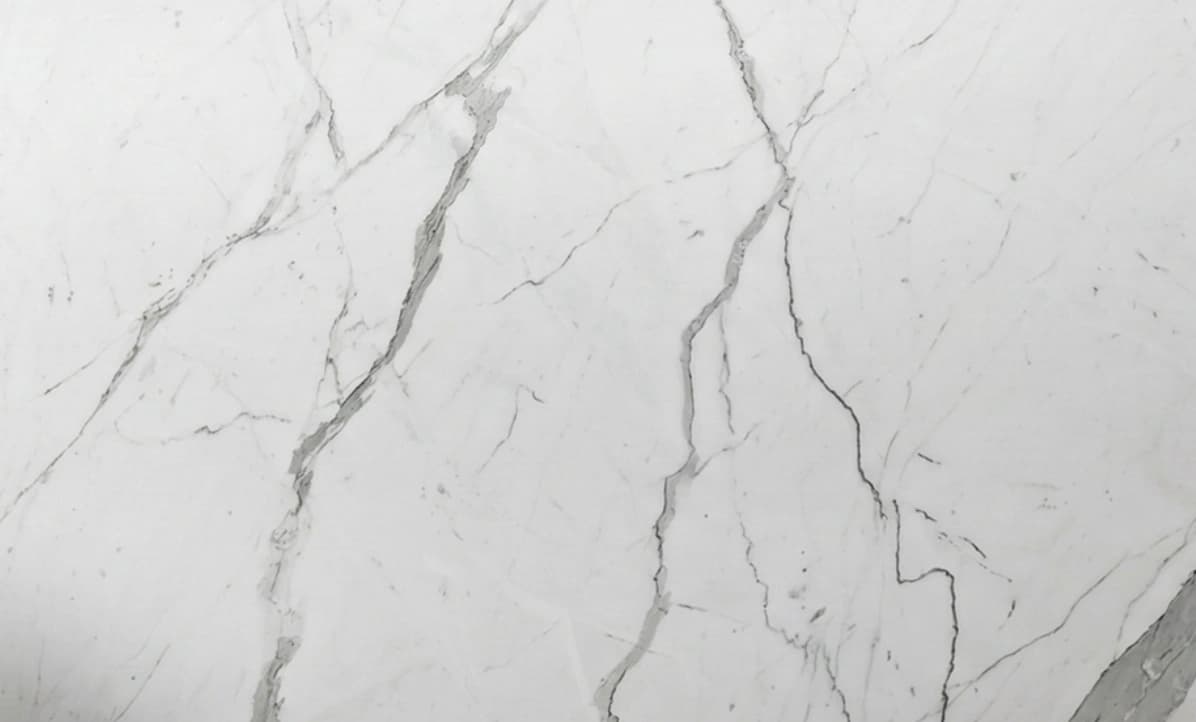
Not every pale, elegant stone sold under the "Italian marble" label is the real thing. Authentic Italian marble is quarried from legendary regions such as Carrara, Calacatta, and Statuario, prized for veining so complex and irregular that no factory process can reproduce it. It feels noticeably cool to the touch and carries a natural luminosity that engineered or lower-grade stones cannot replicate.
Its purity comes from mineral deposits that formed gradually over an immense span of geological time, shaping each slab's distinctive color and texture. Responsibly quarried Italian marble is also produced under strict European environmental and labor standards, which is part of why it commands a premium over mass-produced alternatives. When you are trying to distinguish Italian marble from lookalike veining patterns, start with the fundamentals: a cool, smooth surface, and veining that feels organic rather than repeated across the slab.
Most buyers get fooled because they miss these subtle cues. Slabs from other regions are often marketed as "Italian" simply because they share a pale background, even though their veining tends to repeat in a way that looks almost computer-generated, and they rarely arrive with proper origin paperwork.
Identify Italian Marble Using Touch and Temperature
The touch and temperature test remains one of the most reliable field checks, especially if you want to know how to distinguish Italian marble without lab tests. Authentic Italian marble feels distinctly cold and dense because it conducts heat away from your hand quickly. Most engineered lookalikes and composite imports warm up much faster, since their manufactured composition does not carry heat the same way natural stone does.
Inspect the edges for machine-cut marks or an unnaturally smooth, waxy finish while you are at it. If the slab warms up within a few seconds or the surface feels slightly synthetic under bright light, treat that as an early warning sign rather than a definitive answer on its own.
Why Italian Marble Veining Repeats in Fakes
Genuine marble tells its story through veining that breaks softly, shifts in thickness, and changes hue in ways shaped naturally over geological time. Lookalike imports typically rely on printed or manufactured patterns that begin repeating across panels, especially once you lay several slabs together in a larger installation. If the veining looks identical from slab to slab, or the pattern seems to "restart" every few feet, you are very likely looking at an imitation rather than Italian marble versus engineered lookalike imports done convincingly.
Carrara marble in particular shows a soft white background with delicate, feather-like veining and subtle natural imperfections. Lookalikes built to mimic Carrara vs lookalike marble for interiors tend to appear brighter, shinier, and more uniform, with patterns that repeat noticeably once installed across a full room.
Acid Reaction and Water Absorption Tests You Can Run at Home
Beyond touch and visual inspection, two simple chemical checks can support your judgment before you commit to a purchase. Many professionals use a discreet acid reaction test on a corner of the slab: genuine marble, which contains natural calcite, typically reacts visibly, showing light fizzing or etching. Engineered surfaces and composite lookalikes show little to no reaction, since they are not built from the same calcium carbonate structure.
A water absorption test is equally useful. Genuine Italian marble absorbs considerably less moisture than engineered alternatives, which is part of why it resists staining and wear better over time. Place a few drops of water on a discreet spot and watch how quickly it soaks in; slow, minimal absorption points toward authentic stone, while quick absorption suggests a porous, lower-grade import. Combining the acid test with a close look for unique, irregular veining gives you the most reliable read without needing a lab.
A frequent mistake homeowners make is confusing dolomite or other economical stones with genuine Italian marble. Dolomite can look similar at a glance, but it lacks the same cool touch and reacts differently during an acid test. Engineered slabs, whether quartz composites or advanced ceramics, may look convincing at first glance but fall short on texture and depth on closer inspection, with patterns that become noticeably repetitive once installed across a larger surface such as a kitchen island or an entire bathroom wall.
Verifying Authenticity Through Provenance Documentation
Documentation remains the clearest way to separate genuine marble from imitations, and it matters just as much for a home renovation as it does for a commercial project. Certifications such as the Conformity of Product Certification (CPC) confirm where a slab originated and which quarry produced it, details that are impossible to determine by sight alone. Italian marble authenticity from quarry documentation should always include origin paperwork and, ideally, international compliance certificates that a reputable supplier provides without hesitation.
Supplier reputation matters here too. Review client feedback and prior project photos before committing, and prioritize suppliers known for direct, verifiable relationships with Italian quarries. Etched markings or labels on the slab itself are another safeguard against counterfeits, so confirm that the origin marked on the slab matches the supplier's paperwork; any inconsistency between the two is a warning sign worth pausing over.
Upfront price is only part of the picture. Lookalikes may keep initial costs down, but they tend to fall short on authenticity and durability over time, while genuine Italian marble backed by clear documentation is an investment that continues to pay off in appearance and resilience. If a supplier cannot produce solid documentation on request, there is a strong chance the product in front of you is engineered stone or a generic import wearing an Italian label.
What to Do When a Supplier Stays Vague About Origin
Authenticating marble when a supplier is vague comes down to watching for a specific set of red flags rather than relying on a single impression. Missing quarry documents, veining that repeats across multiple slabs, or an unusually waxy texture are all common signs you may not be looking at genuine stone. If a supplier cannot answer straightforward questions about which quarry a slab came from, that hesitation is itself useful information.
For any Italian marble testing in home renovation scenarios where the budget or scale justifies it, ask whether the supplier can arrange lab-backed verification, such as mineralogy or isotope analysis, before you finalize a large order. For smaller projects, combining the touch test, the acid test, and a careful review of documentation is usually enough to make a confident, informed decision.
FAQ
Frequently Asked Questions
Common questions about this topic from the Quartile team.
Real marble feels cool to the touch, displays irregular veining, and generally avoids repeating patterns. Faux marble tends to feel warmer, look more uniform, and lack the visual depth of genuine stone.
Tags